Failure #1: Cavitation
Cavitation often occurs when pressure at the pump inlet becomes too low, causing vapor bubbles to form and collapse inside the pump. Over time, this can damage impellers, increase vibration, and reduce performance.
How to prevent it:
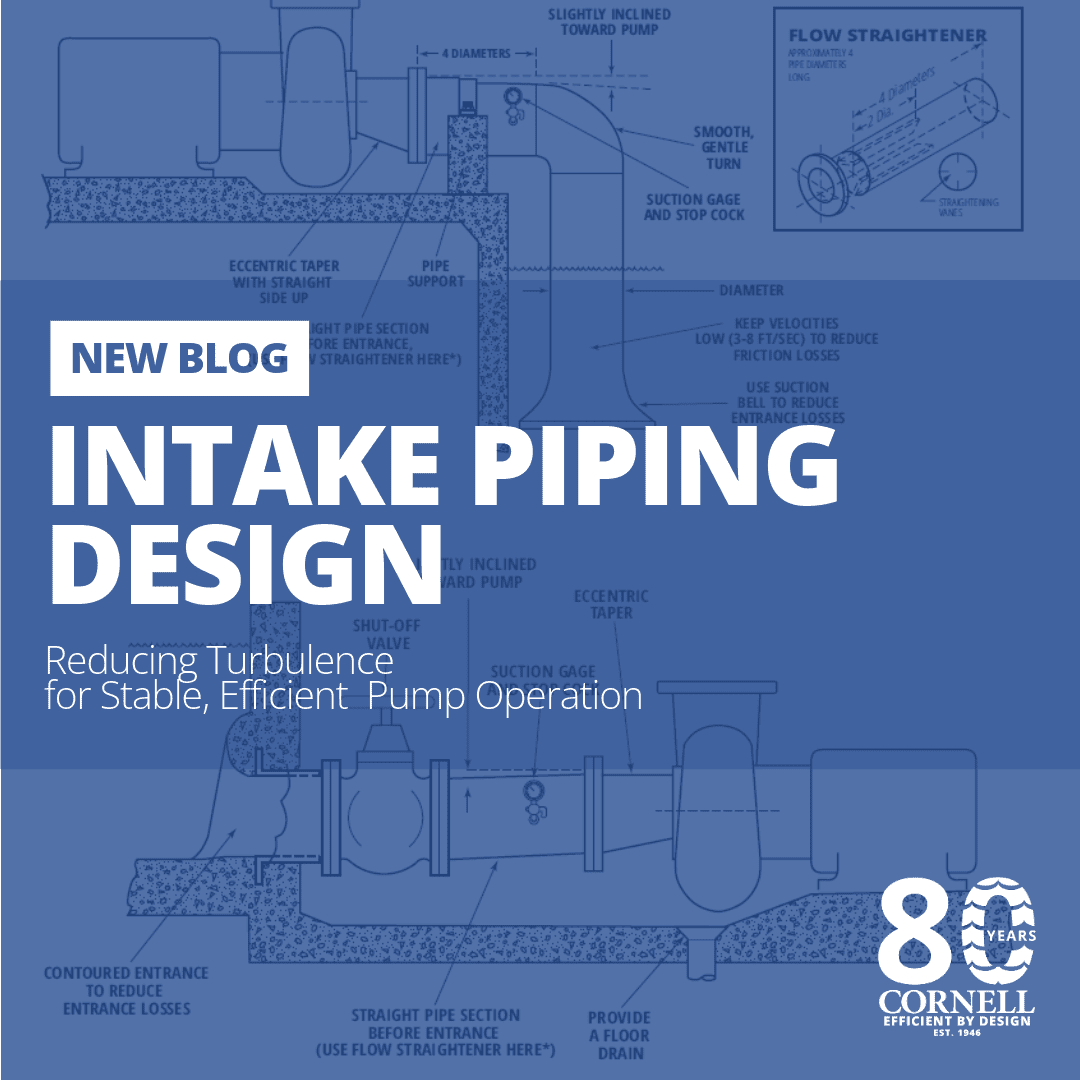
- Maintain adequate suction conditions
- Minimize restrictions in suction piping
- Monitor operating conditions regularly
- Ensure the pump is properly sized for the application
Failure #2: Operating Away from BEP
Every pump has a Best Efficiency Point (BEP) where it operates most efficiently. Running too far from that point can create excessive vibration, increase seal and bearing loads, and accelerate wear.
How to prevent it:
- Size pumps correctly for the application
- Monitor system flow rates
- Avoid excessive throttling
- Review changes to system demand over time
Failure #3: Misalignment and Vibration
Even slight misalignment between the pump and motor can create significant stress on rotating components. Excessive vibration often leads to premature bearing and seal failures.
How to prevent it:
- Verify alignment during installation
- Recheck alignment after maintenance
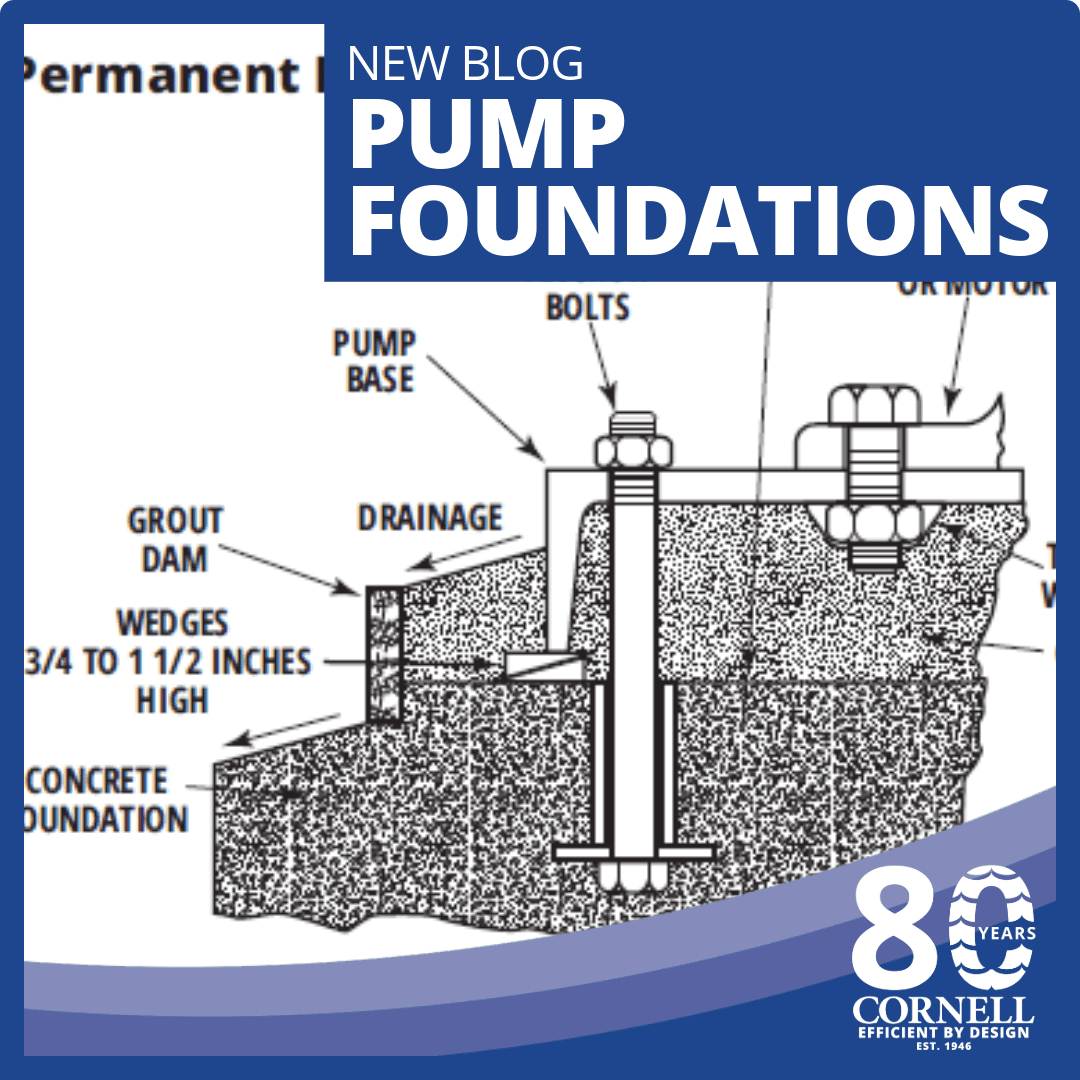
- Ensure foundations are stable
- Properly support piping systems
Failure #4: Lack of Maintenance
Routine wear is unavoidable, but neglecting inspections can turn minor issues into major failures. Bearings, seals, wear rings, and impellers all require periodic evaluation.
Warning signs include:
- Increased noise or vibration
- Reduced flow or pressure
- Rising energy consumption
- Frequent seal failures
Most pump failures do not happen overnight. They begin as small issues that gradually worsen over time. By monitoring performance, maintaining equipment, and addressing operating concerns early, operators can improve reliability and avoid costly downtime.
Cornell pumps are engineered for durability in demanding industrial applications, but long-term performance depends on the entire system. Combining quality equipment with proactive maintenance and proper operating practices helps ensure reliable operation year after year.