Pumps accumulate wear throughout the growing season. Months of continuous operation can impact seals, bearings, impellers, and other critical components. Taking time for an inspection before harvest helps operators:
- Reduce the risk of unexpected breakdowns
- Maintain consistent irrigation performance
- Identify maintenance needs before they become major repairs
- Extend equipment life
A proactive inspection is often far less disruptive than dealing with a pump failure during a critical stage of crop production.
Pre-harvest inspection checklist
Before heading into the final stretch of the season, review the following areas:
- Check seals and packing for leakage, wear, or signs of deterioration.
- Listen for unusual noise or vibration, which may indicate alignment, bearing, or hydraulic issues.
- Inspect bearings and lubrication systems to verify proper lubrication levels and check for signs of overheating or damage.
- Examine the impeller and wear components for excessive wear that could reduce efficiency and performance.
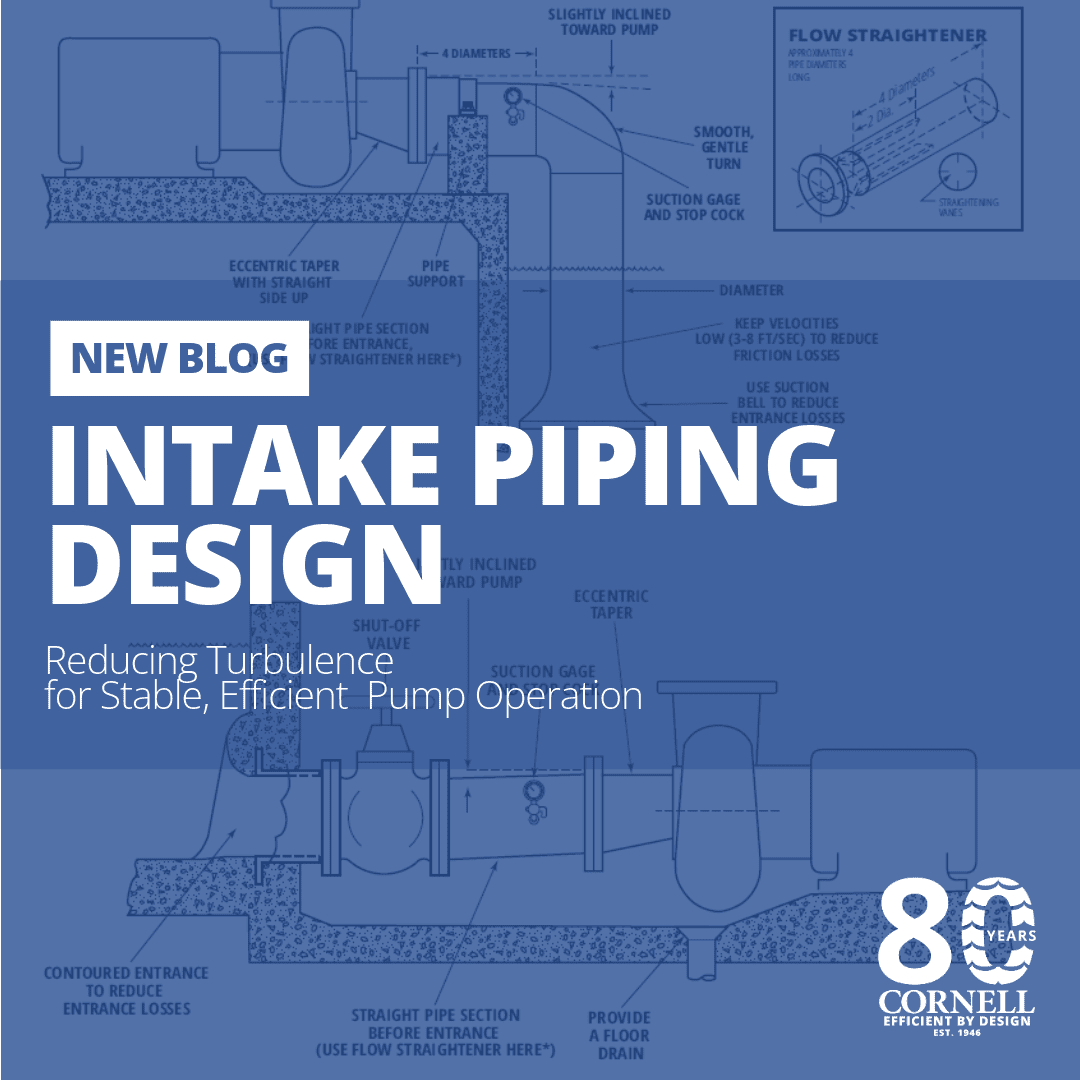
- Inspect suction and discharge piping for leaks, loose fittings, or restrictions that could impact flow.
- Verify gauges and monitoring equipment to ensure readings are accurate and performance data remains consistent with normal operation.
A few preventative checks now can help avoid costly interruptions later and ensure irrigation systems continue delivering reliable performance through the end of the season.
Cornell pumps are designed to provide dependable operation throughout long irrigation cycles, but regular inspections remain one of the best tools for maximizing uptime and protecting your equipment investment. By taking a proactive approach to maintenance, growers can enter harvest season with greater confidence that their systems are ready to perform when needed most.