Where inefficiencies add up
Pumps that operate below optimal efficiency can consume more energy than necessary and place additional stress on components. Over time, this can lead to:
- Higher energy costs
- Increased wear on seals, bearings, and impellers
- More frequent maintenance and downtime
Even a modest increase in pump efficiency can result in meaningful savings across a full operating season.
Key upgrade opportunities
Improving system efficiency doesn’t always require replacing the entire pump. In many cases, targeted upgrades can deliver strong results:
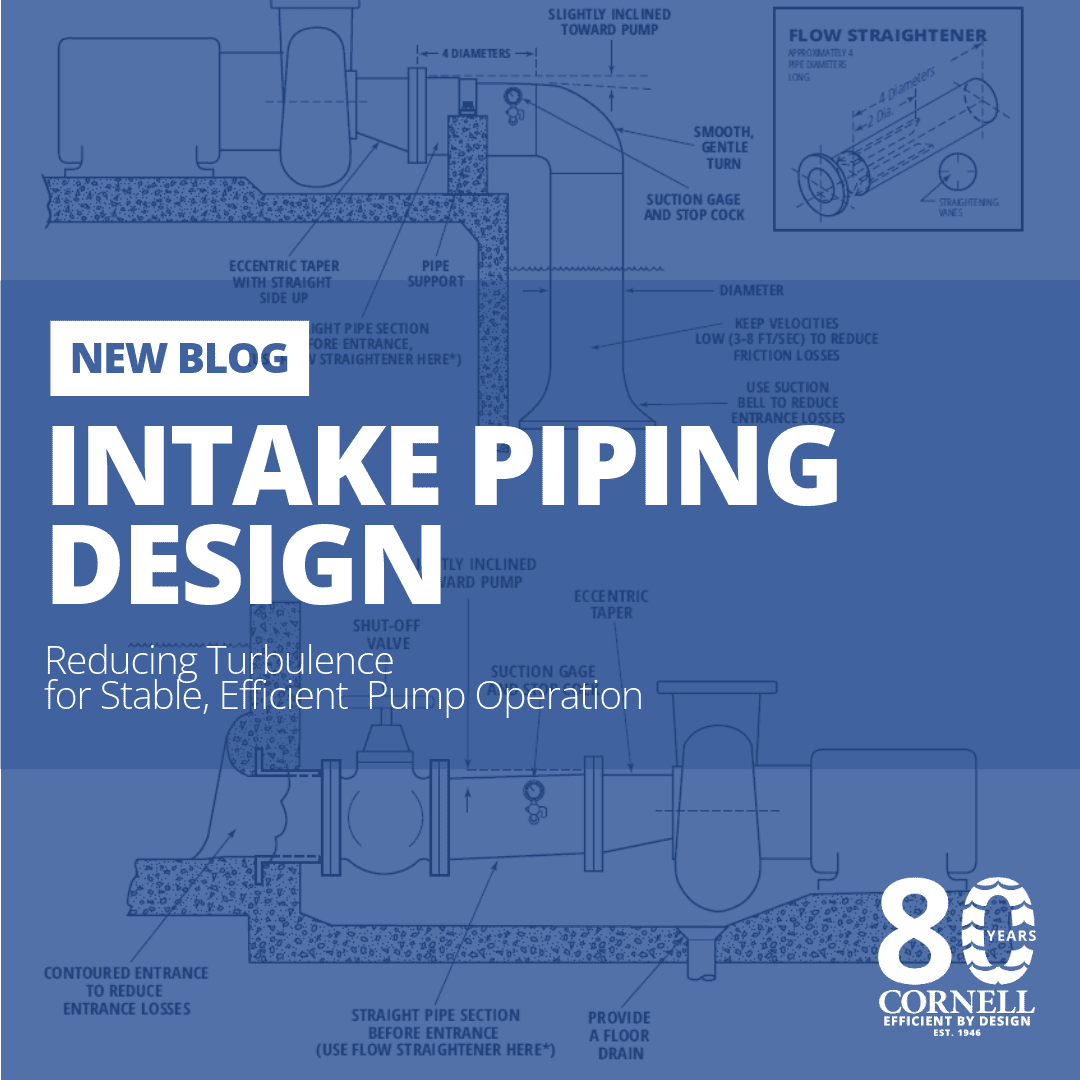
- Upgrade to high-efficiency pump designs
Modern hydraulic designs improve flow paths and reduce internal losses - Optimize system components
Properly sized impellers, wear rings, and piping reduce energy waste - Improve system control
Adjusting output to match demand helps avoid operating outside optimal ranges - Maintain critical components
Keeping parts in good condition helps preserve efficiency over time
Long-term value of efficiency
Beyond immediate energy savings, efficiency upgrades also support long-term reliability. Reduced internal stress and smoother operation can extend equipment life and lower total cost of ownership.
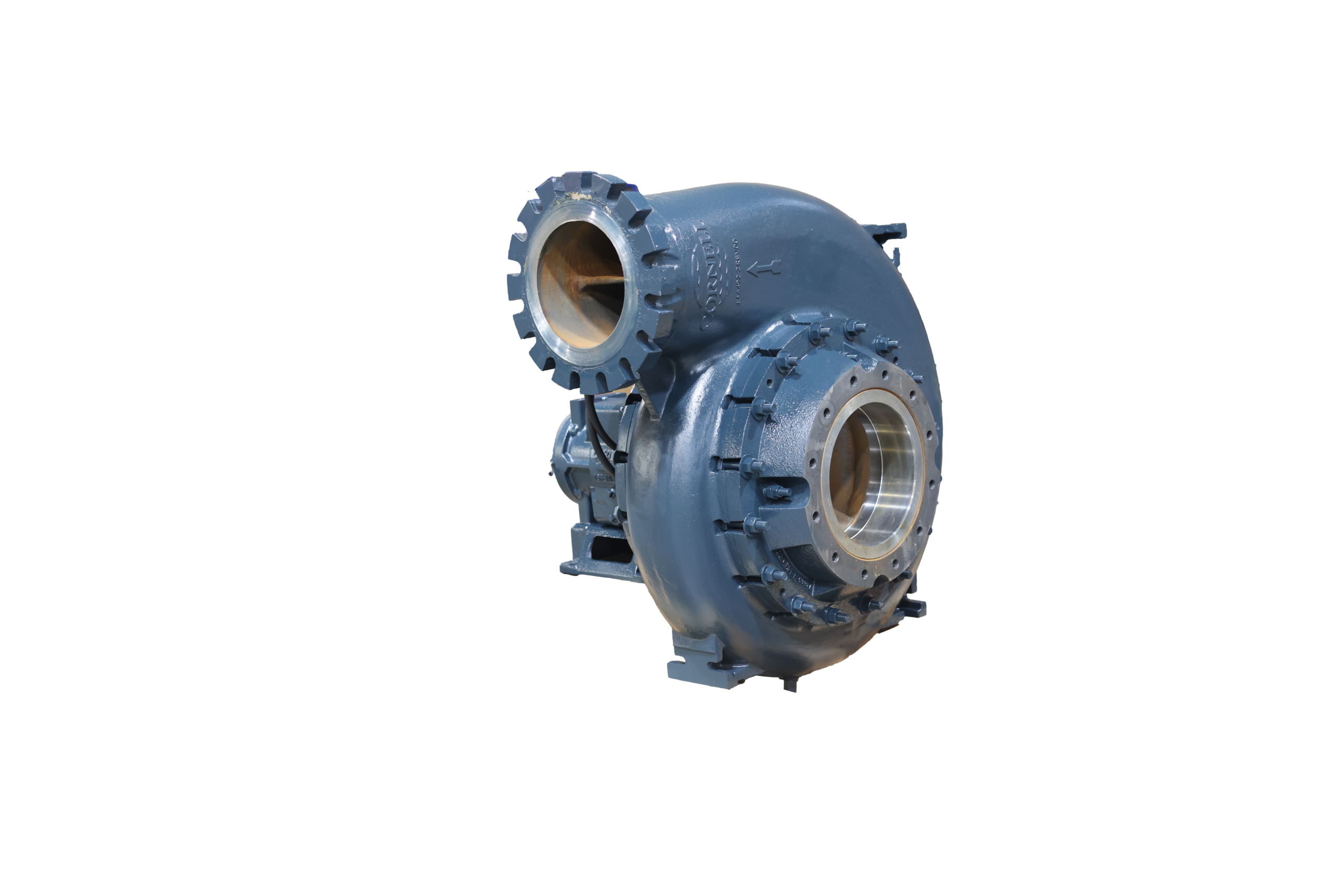
Cornell pumps are engineered for high efficiency and durability, helping operators reduce operating costs while maintaining consistent performance across demanding applications.